Frieze Center
for Shared Society
2026
How can a shared society be built in a reality of deep polarization? The Frieze Center for Shared Society seeks to catalyze processes of change in Israeli society through collaboration among academia, government, and civil society.
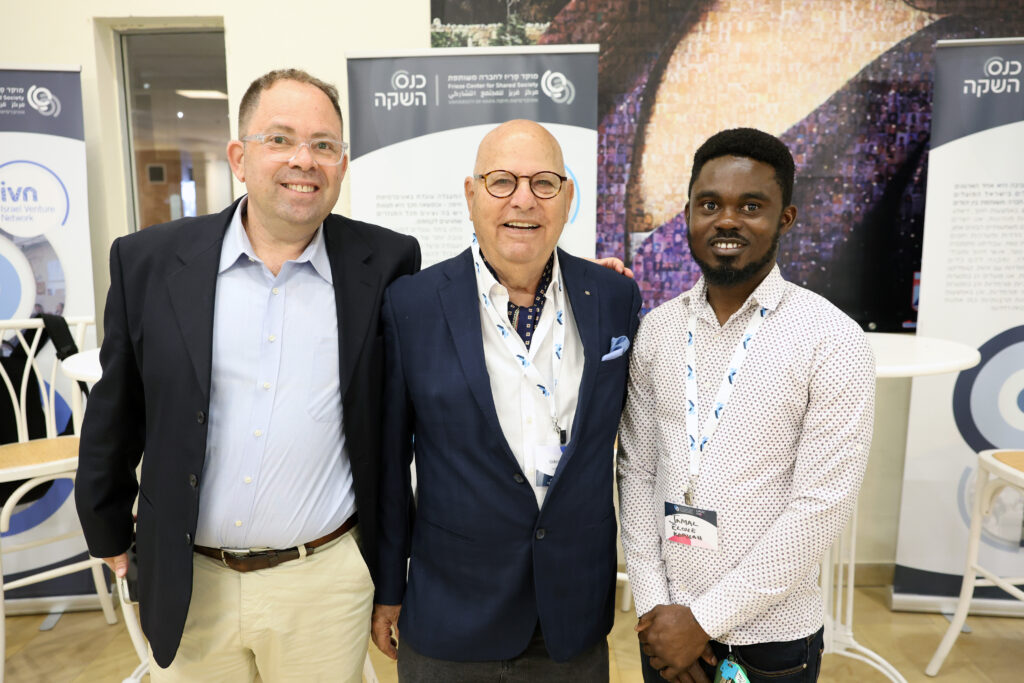
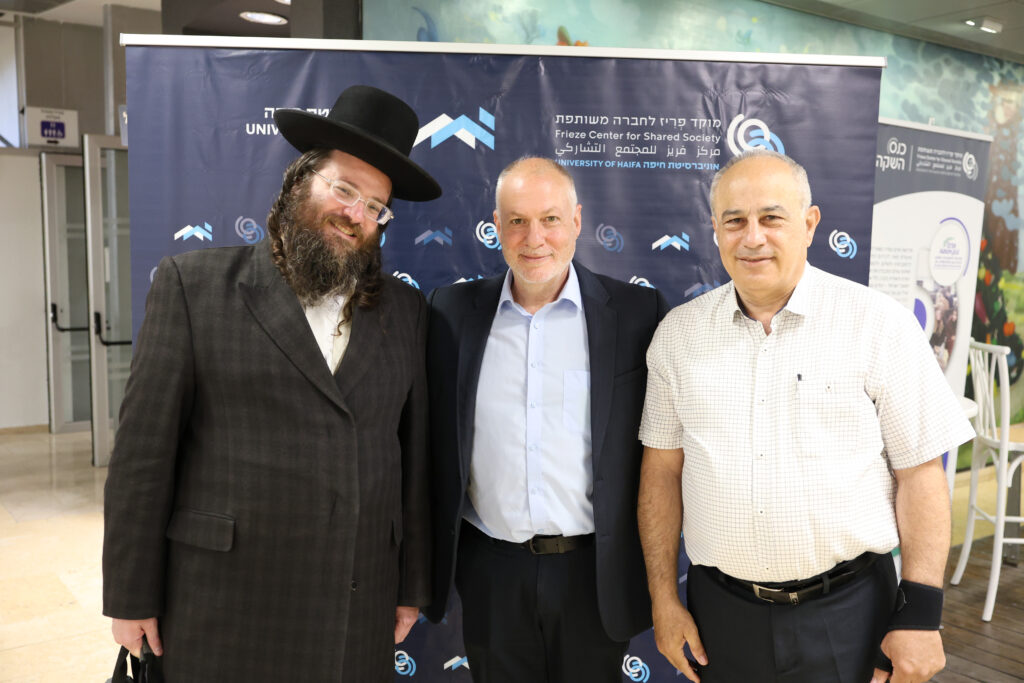
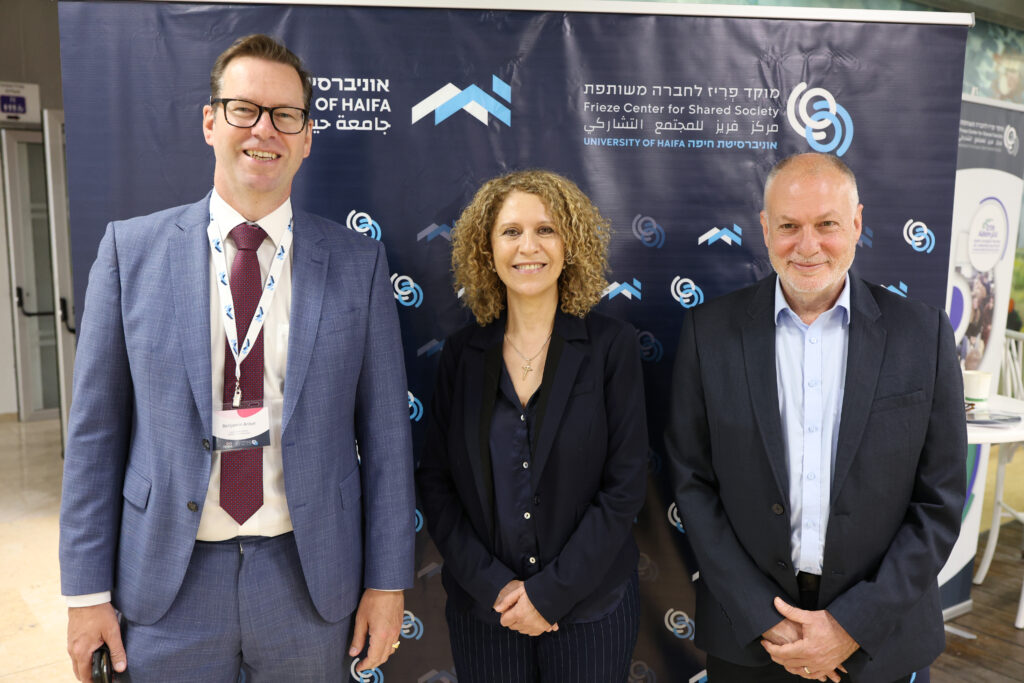
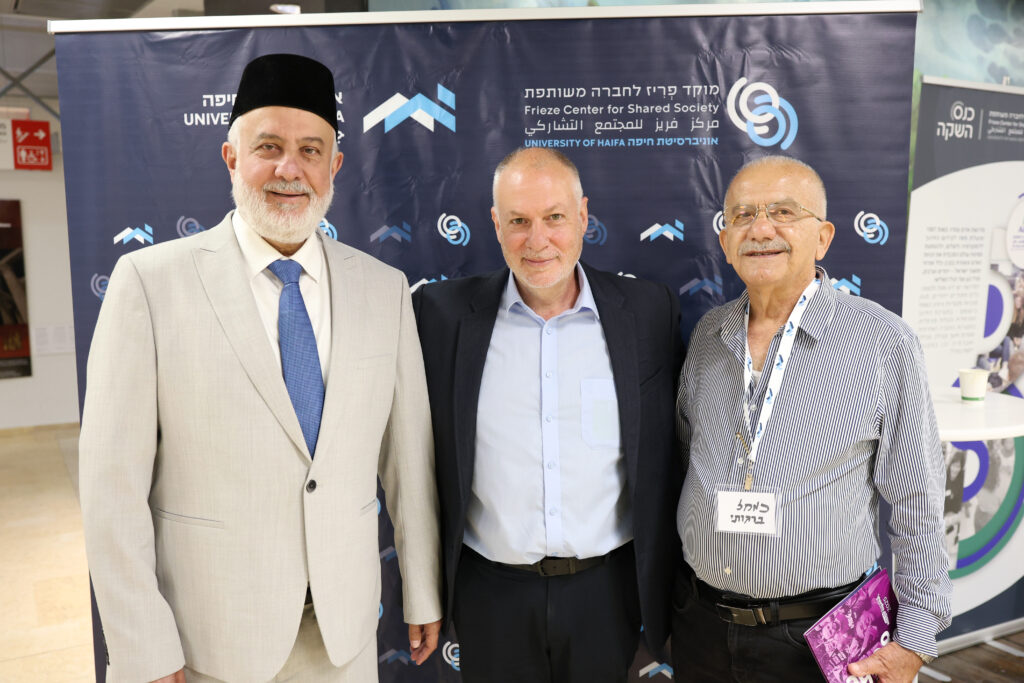
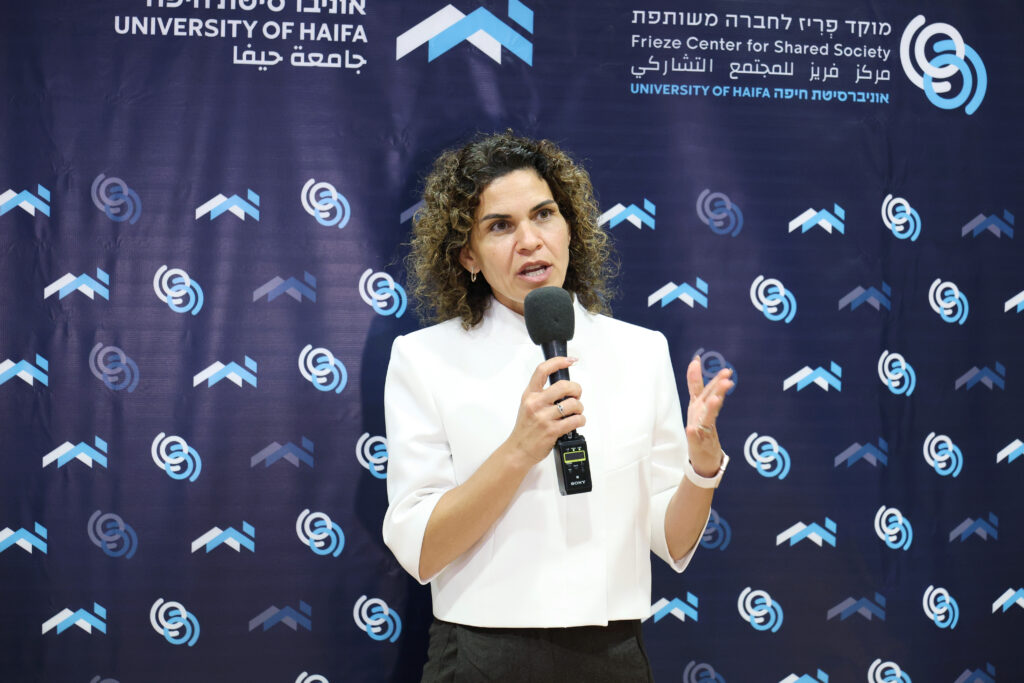
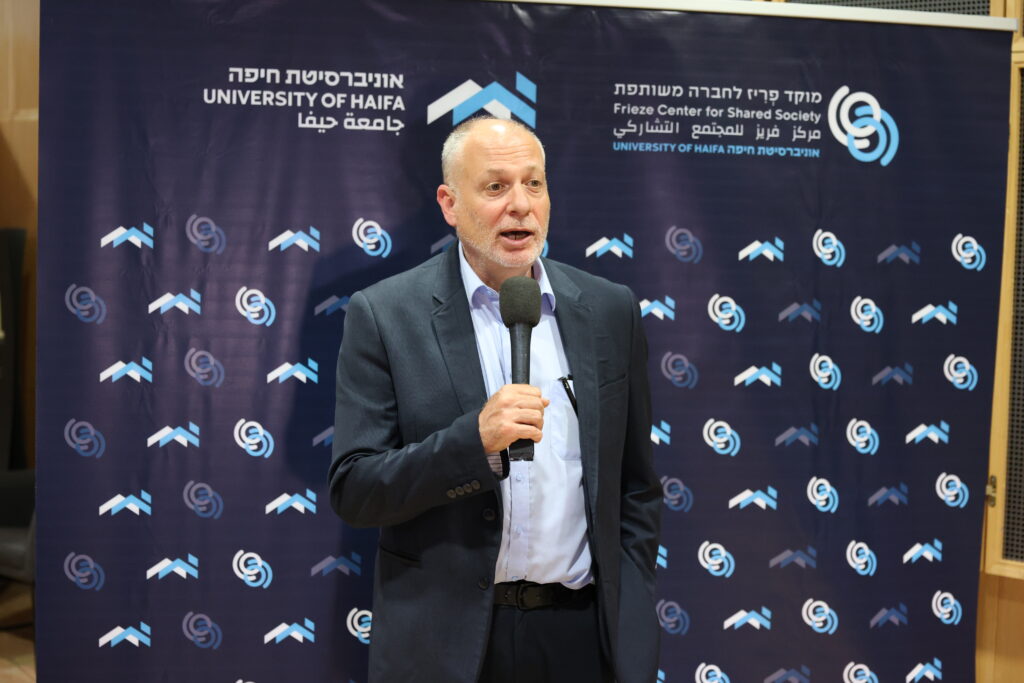
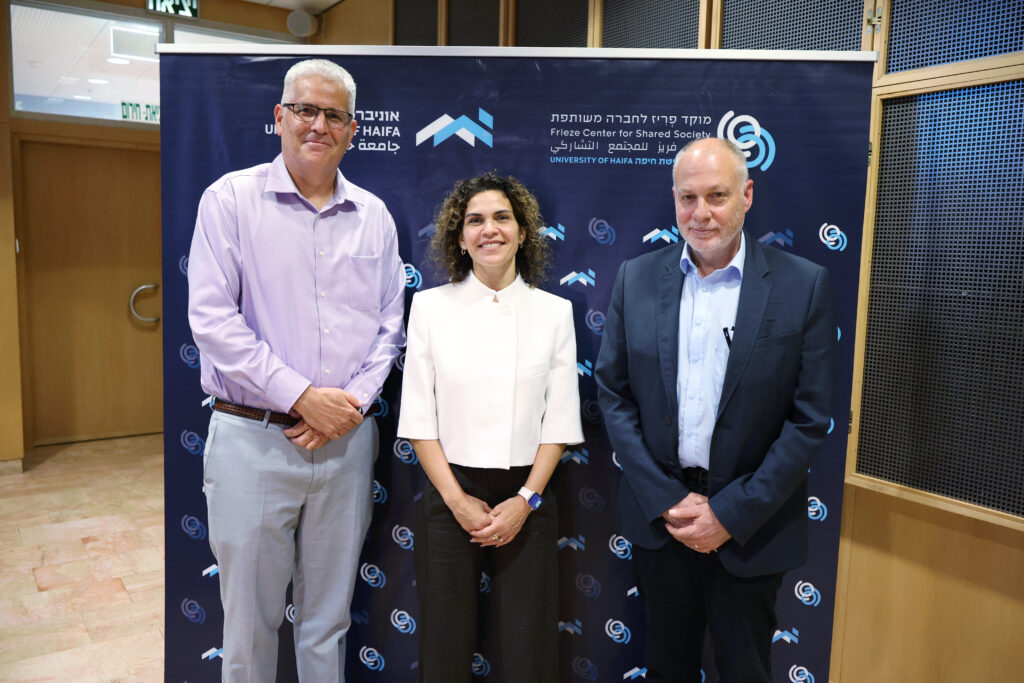
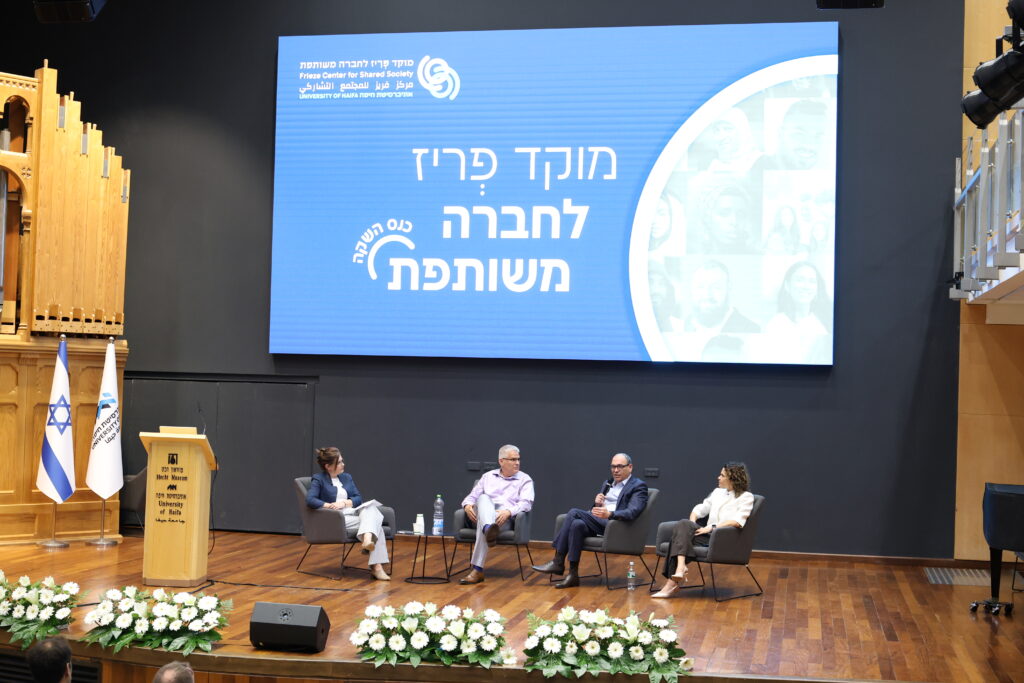
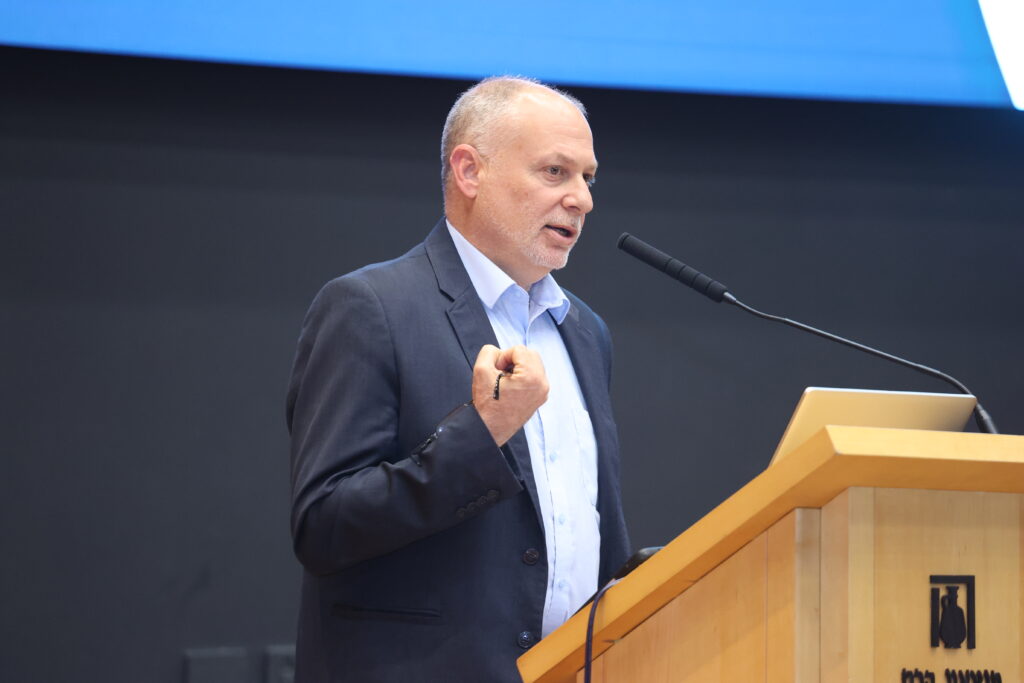
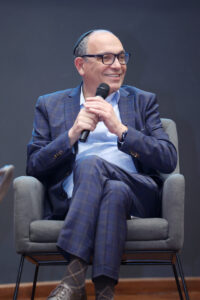
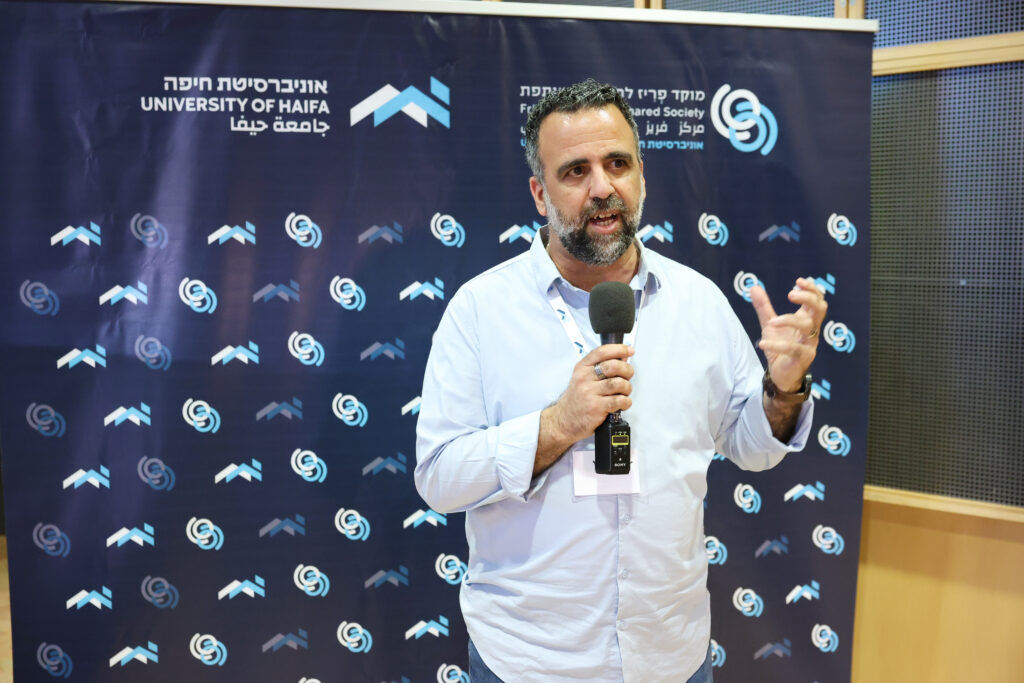
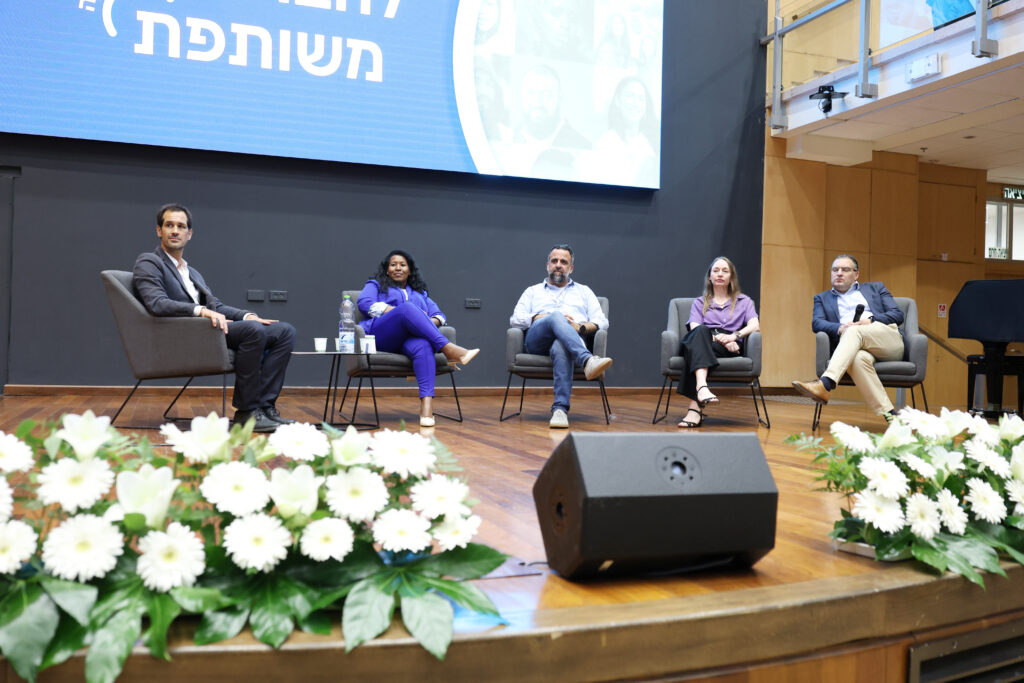
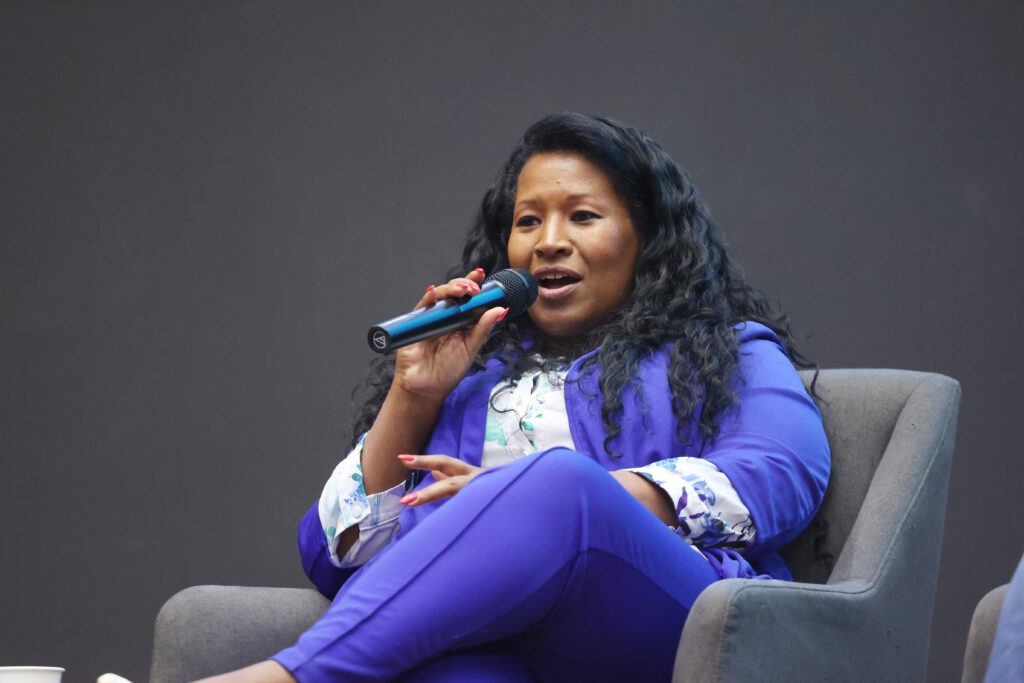
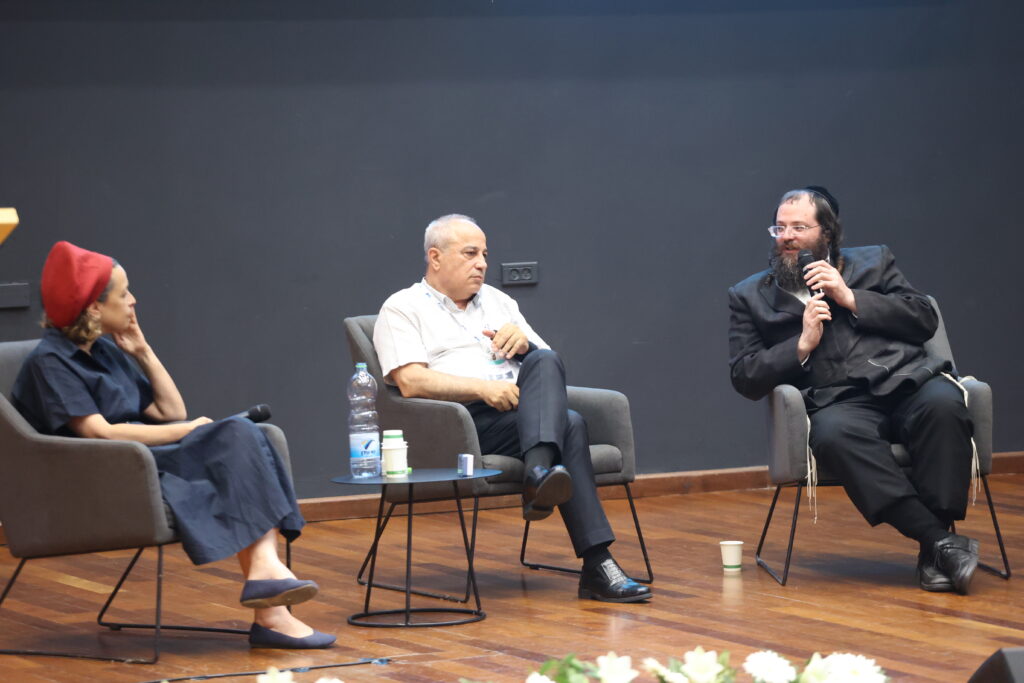
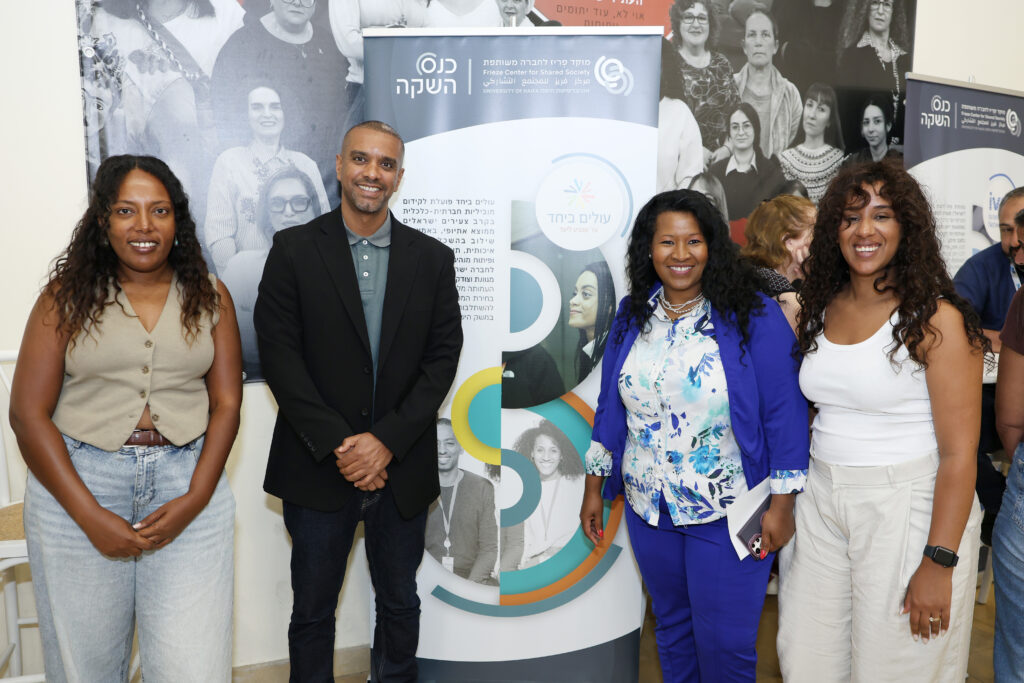
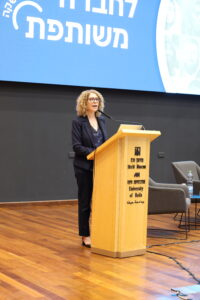
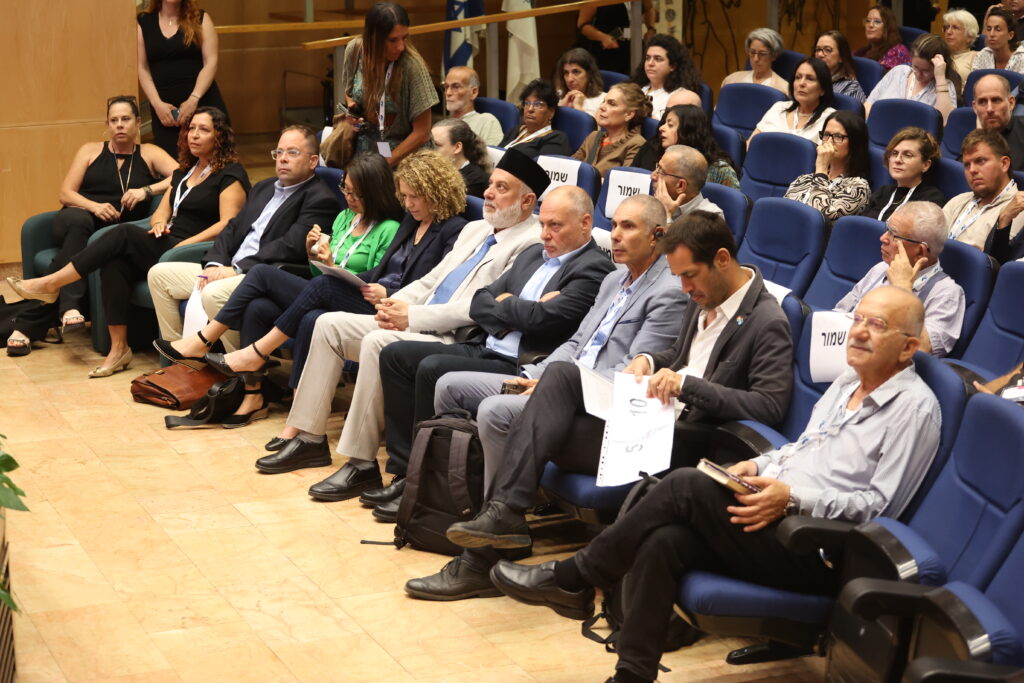
The conference brought together senior representatives from academia, civil society, government, and philanthropy to discuss the advancement of shared society and shared life in Israel, with a focus on fundamental issues in relations among the different groups that make up Israeli society: public discourse, political polarization, crisis management, and cross-sector collaboration.

Selected Remarks from Conference Speakers
Shai Piron
Shai Piron | President, Pnima
“I think this conference is very important because it places on the table one of the issues that divides and polarizes Israeli society.”
Maya Lugasi
Ben-Hamo
Maya Lugasi Ben-Hamo | Director General, Council for Higher Education and Planning and Budgeting Committee
“Today, in order to overcome major economic, security, and social challenges, we must create long-term strategic partnerships.”
Rabbi
Avichai Lavnoni
Rabbi Avichai Lavnoni | Director, Marbim Shalom
“The central issue addressed by this conference – how we create a shared society here, in which people do not feel persecuted or threatened in their identity – is critical.”
Shai Tegner
Shai Tegner | Frieze Center
“This day focused on one central question: what can academia do to advance shared society and shared life in Israel?”
Dr. Keren Sharvit
Dr. Keren Sharvit | Frieze Center
“One of the Frieze Center’s central aspirations is to create connections between academic knowledge and action in the field.”
Prof.
Uriel Simonsohn
Prof. Uriel Simonsohn | Director, Frieze Center
“This is, in effect, the Center’s public launch – an opportunity to present what we are planning for the coming years and our vision for a shared society.”
Prof.
Amnon Cavari
Prof. Amnon Cavari | Reichman University
“We are concerned not only with a shared society between Jews and Arabs; we are concerned with all sectors and groups in Israeli society, including religious and secular populations and socioeconomic divisions.”
Dr.
Assaf Turgeman
Dr. Assaf Turgeman | Frieze Center
“What matters now is that we are able to provide Israeli society, at one of its most difficult moments, with the tools and knowledge it needs.”
Dr. David Barak-Gorodetsky
Dr. David Barak-Gorodetsky | Head, Ruderman Program and Comper Center, University of Haifa
“Our main goal at this conference is to bring the field and academia together around issues that are highly significant in Israeli society.”
Mohammad
Darawshe
Mohammad Darawshe | Director of Strategy, Givat Haviva
“We are living through a period of very significant polarization in Israeli society, whether between Jews and Arabs or among other groups, and we need a bridging framework that brings academic intellectual resources into contact with civil society.”
Ron Gerlitz
Ron Gerlitz | CEO, aChord
“This conference is very important because advancing a shared society in Israel is a major challenge. We are in a dramatic period, facing both the difficulties involved in advancing shared society and the forces in Israeli society that oppose the spaces in which it is created.”
Tehila Friedman
Tehila Friedman | Head, Libba Institute
“The idea of an academic center that addresses social cohesion and polarization and helps us with conceptual frameworks and data could, I think, make a very significant contribution.”
Dr. Ran Kuttner
Dr. Ran Kuttner | Academic Director, Frieze Center
“There is something powerful about this conference in the way it brings together people from every sector; the potential for synergy and collaboration is enormous.”
Oshra Friedman
Oshra Friedman | Deputy Director General, Authority for the Advancement of the Status of Women
“This special conference comes at an extraordinarily difficult and important time, and its timing could hardly be more relevant.”
Avi Haliva
Avi Haliva | Civil Service Commission
“The importance of this conference, in my view, lies in the reality in which we find ourselves, especially in recent years. We have no alternative to building a shared society.”
Prof.
Hagit Lernau
Prof. Hagit Lernau | Head, School of Criminology, University of Haifa
“Academia can contribute knowledge, but it can also create connections and provide a space in which people working on these issues can meet and try to advance better policy.”
Barak Luzon
Barak Luzon | Office of the President of Israel
“For me, this was a very meaningful day – an opportunity to learn about different perspectives and about different worlds of meaning coming together through the Frieze Center.”
Dr. Safa
Abu-Rabia
Dr. Safa Abu-Rabia | Head of Arab Society, Yad Hanadiv
“It is time to create conferences of this kind, centered on shared society, so that this field and its value can once again become visible and present.”
Prof. Gur Alroey
Prof. Gur Alroey | President, University of Haifa
“The great importance of the conference is that we connected academia with society and created a day in which civil-society organizations could meet, collaborate, and create dialogue.”
Prof.
Michal Alberstein
Prof. Michal Alberstein | Dean, Faculty of Law, Bar-Ilan University
“Advancing a shared society is one of the most important challenges facing Israeli society today, and I am proud to take part in a conference addressing such a pressing issue.”
Shira Lev-Ami
Shira Lev-Ami | Former Director General, Israel National Digital Agency
“Government needs academia in order to develop better and more effective public policy, so that we can design intelligent processes and implement them well.”
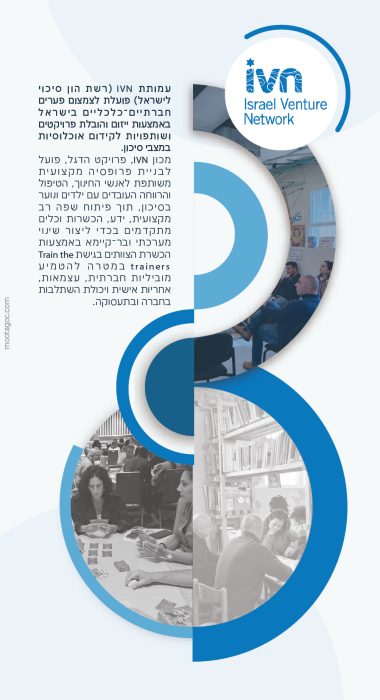
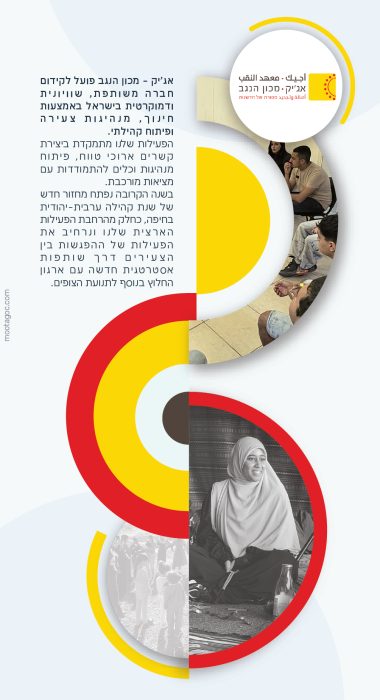
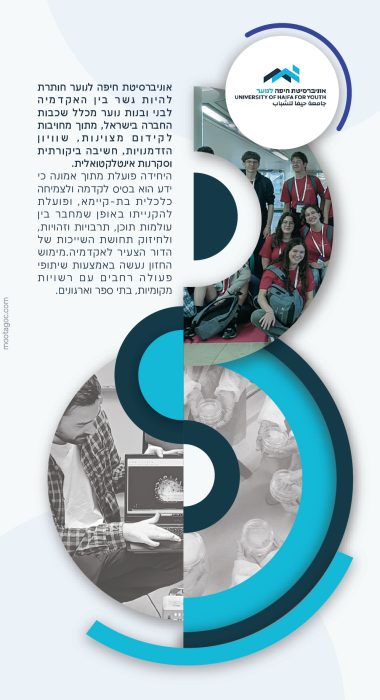
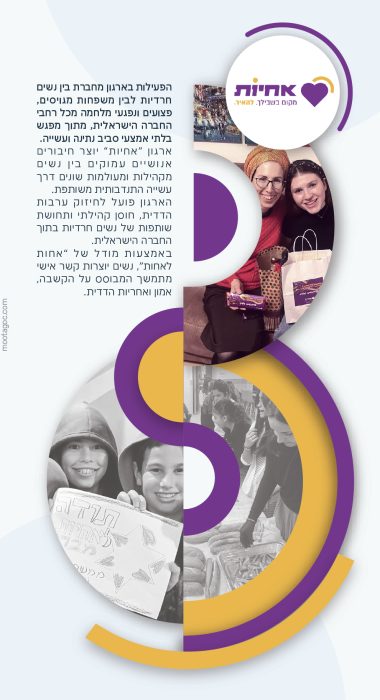
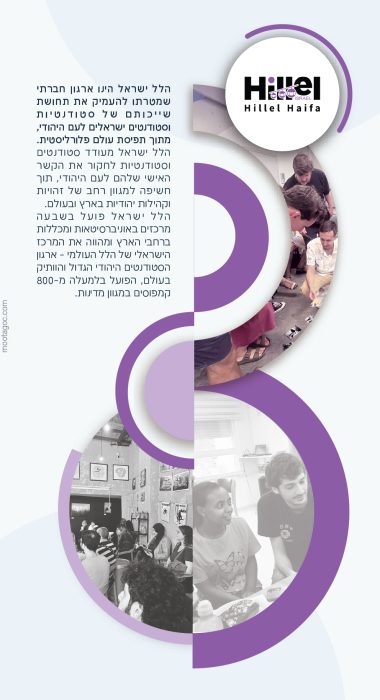
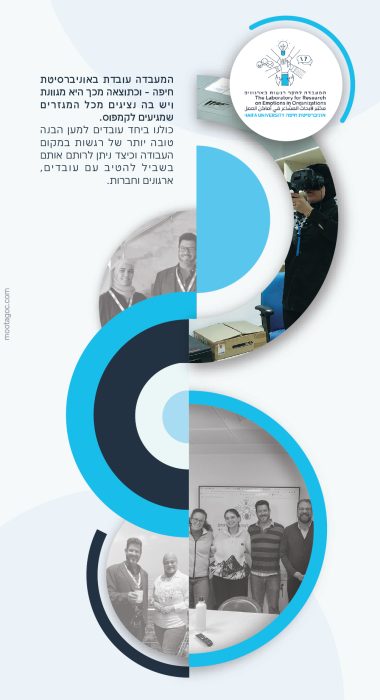
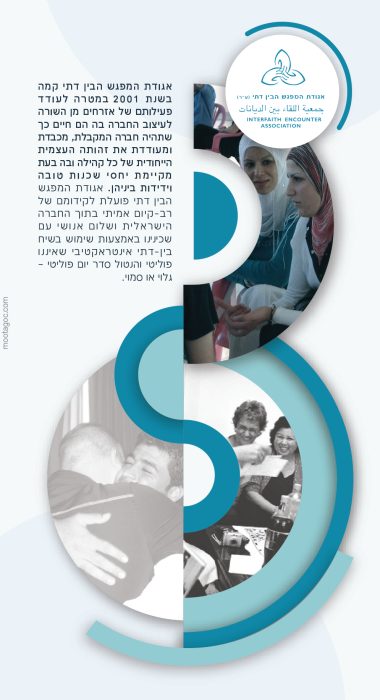
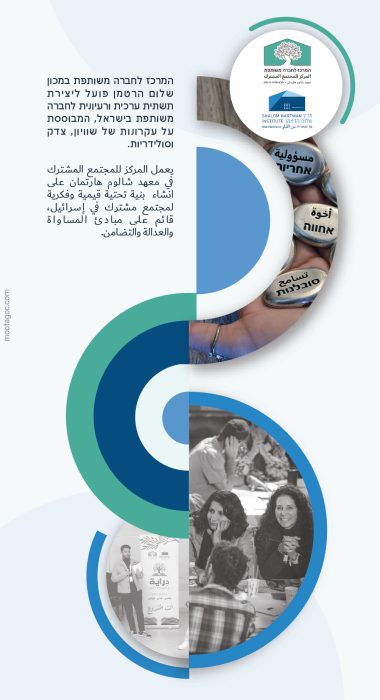
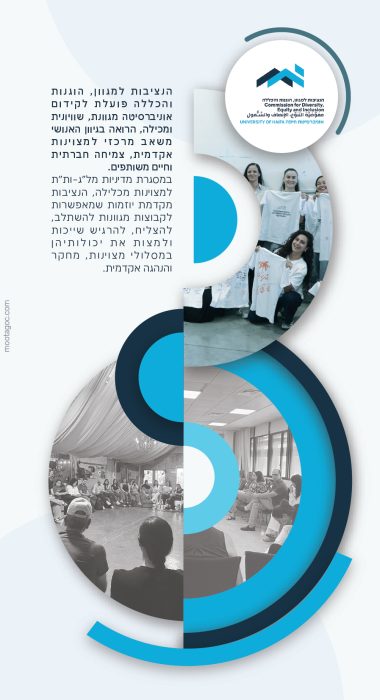
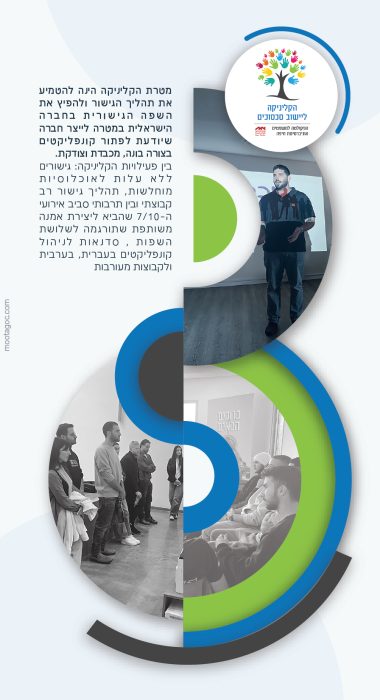
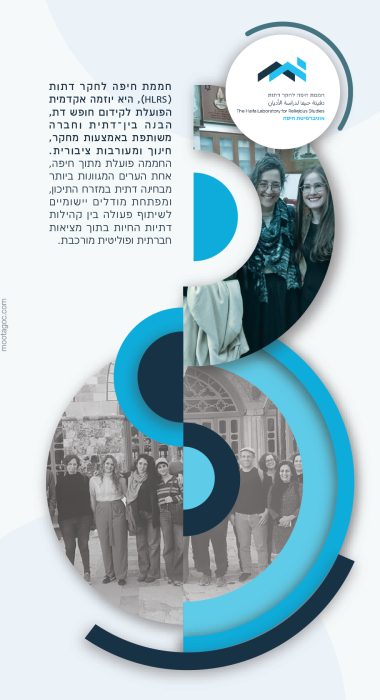
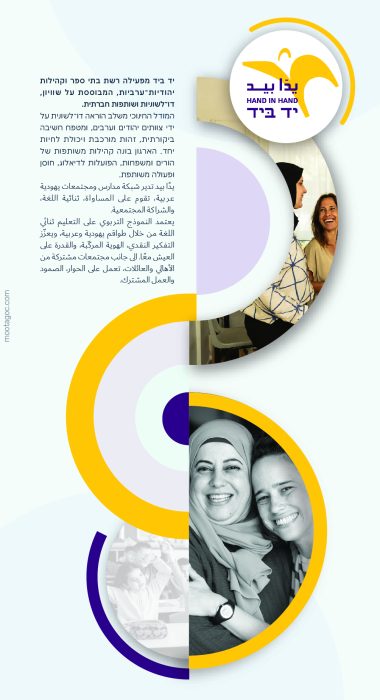
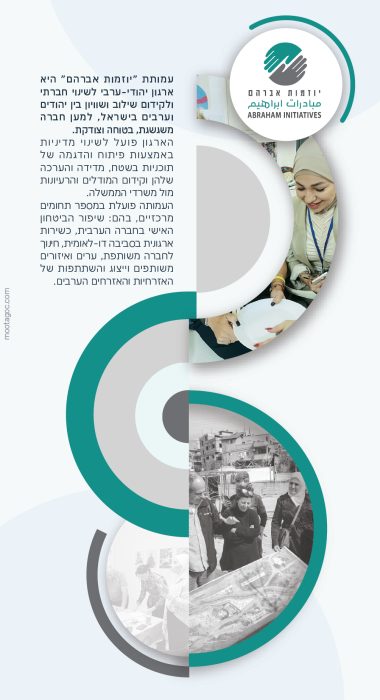
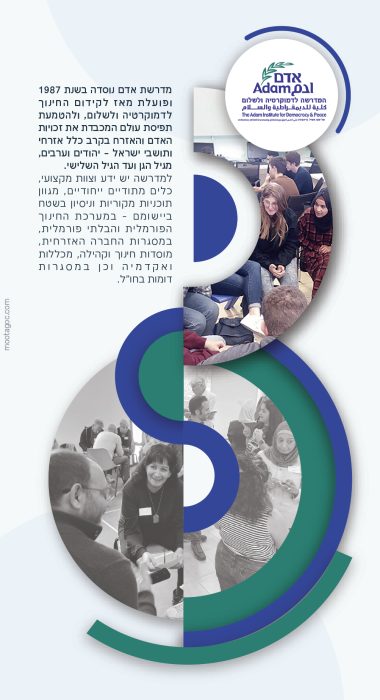
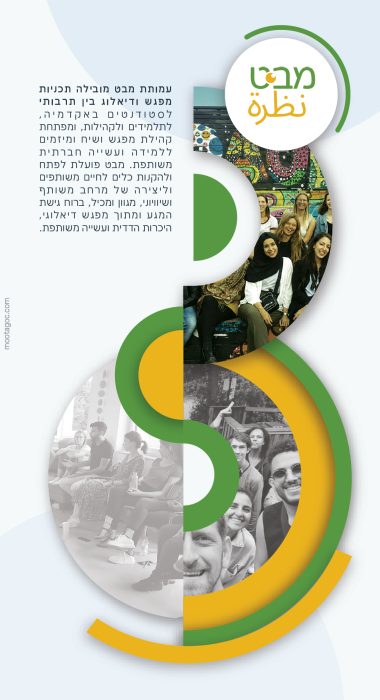
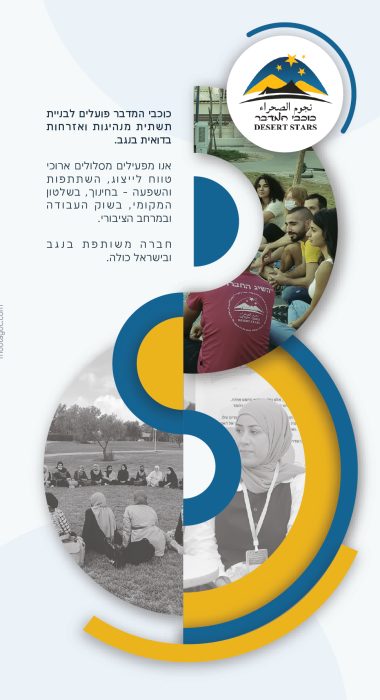
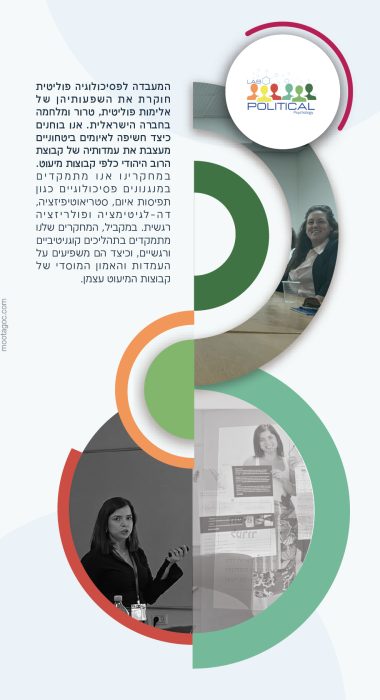
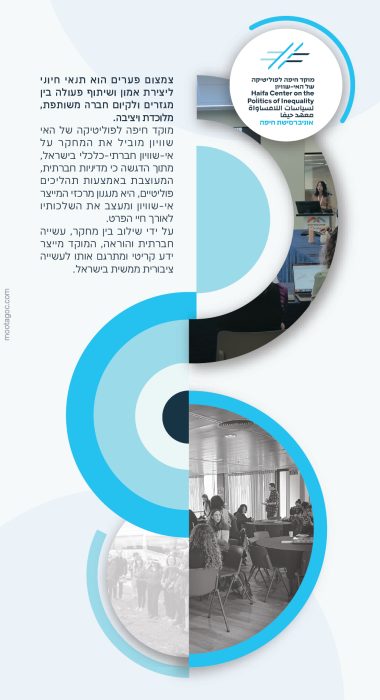
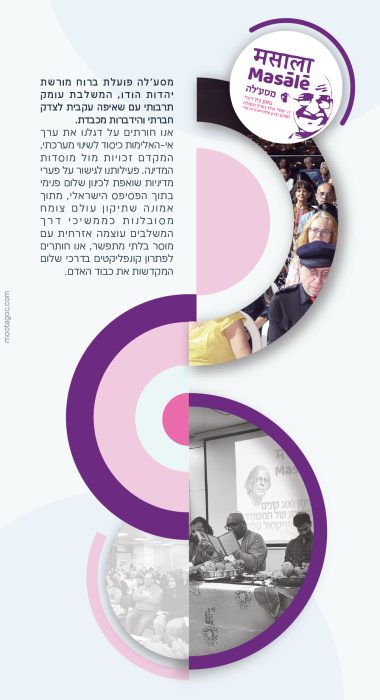
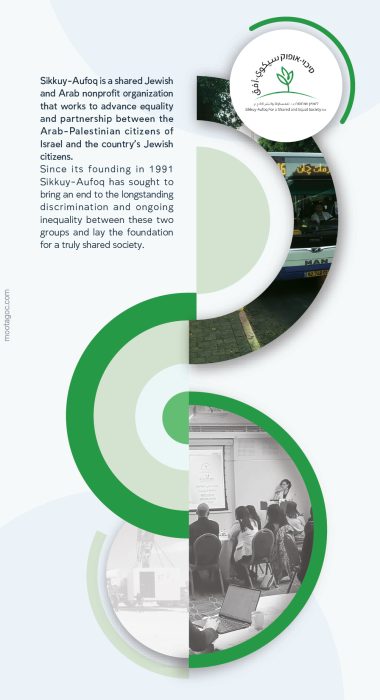
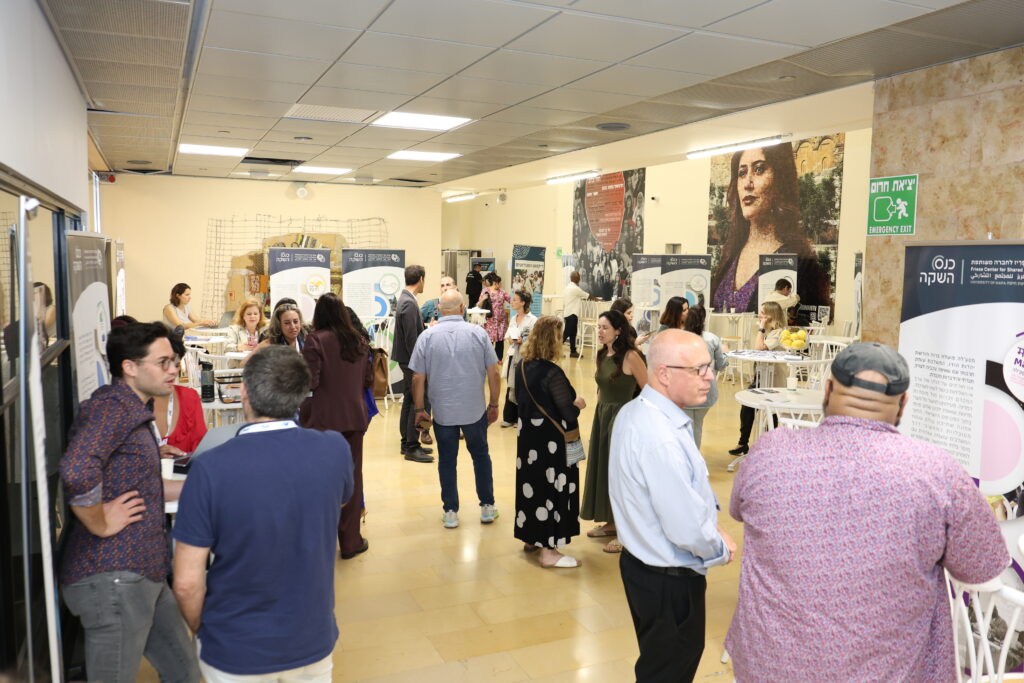
During the conference, a fair featuring Haifa-based civil-society organizations and research centers was held to introduce the public to their work and create initial opportunities for connections among participating organizations.